Golden Circle Stops and Map: Every Stop in Driving Order
Every stop on the route in driving order, with real distances, what each one costs on the ground, and a map you can actually use.
 Written with Björn Einarsson, Iceland Golden Circle tour guide and local specialist
Short answer
The three classic stops are Þingvellir National Park, the Geysir geothermal area with Strokkur, and Gullfoss waterfall, driven in that order from Reykjavík. Common add-ons are Kerið crater, Friðheimar tomato farm, Brúarfoss, Faxi and the Blue Lagoon. The full loop runs about 300 km and takes 3.5 to 4 hours of pure driving.
Strokkur went off twice while I was still lacing my boots in the car park. That is the thing about this route: the stops do not wait for you, and the day rewards people who know the order, the distances, and where the paid car parks hide. I drive the loop for a living, week after week, and travelers keep asking me the same three things. Which stops actually matter. How far apart they sit. Whether the detours earn their minutes. Here is the whole circle laid out, stop by stop, with a map you can open on your phone.
Booking choice: The three headline stops fit the classic coach day. Choose the Brúarfoss minibus for the blue waterfall and Kerið, or the farm route for Friðheimar. Explore Brúarfoss + Golden Circle minibus
What are the must-see stops on the route?
Three stops define the route: Þingvellir National Park, where the North American and Eurasian plates pull apart; the Geysir geothermal area, where Strokkur erupts every few minutes; and Gullfoss, a 32 m double cascade on the Hvítá river. Every classic day trip covers these three, and almost always in that order.
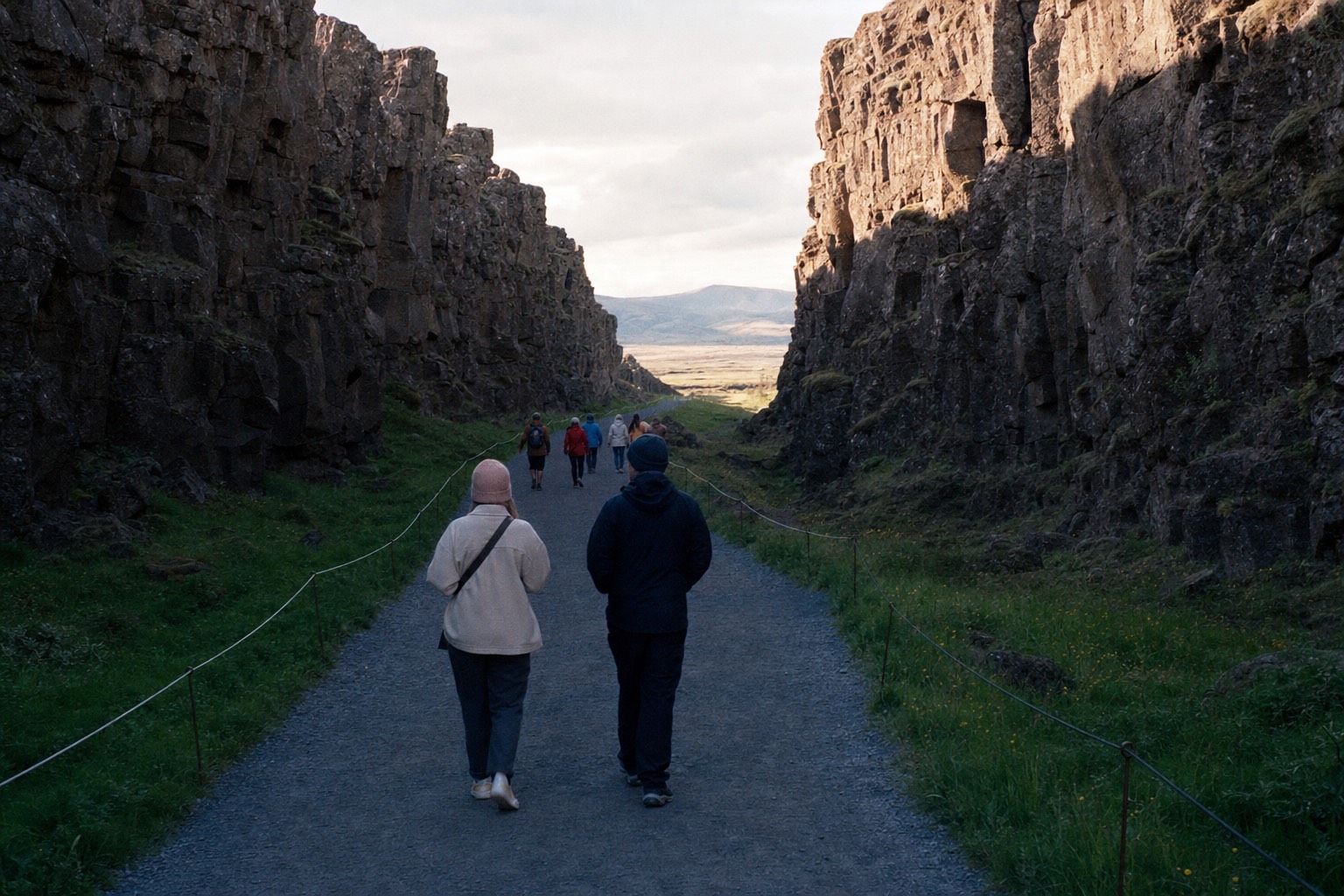
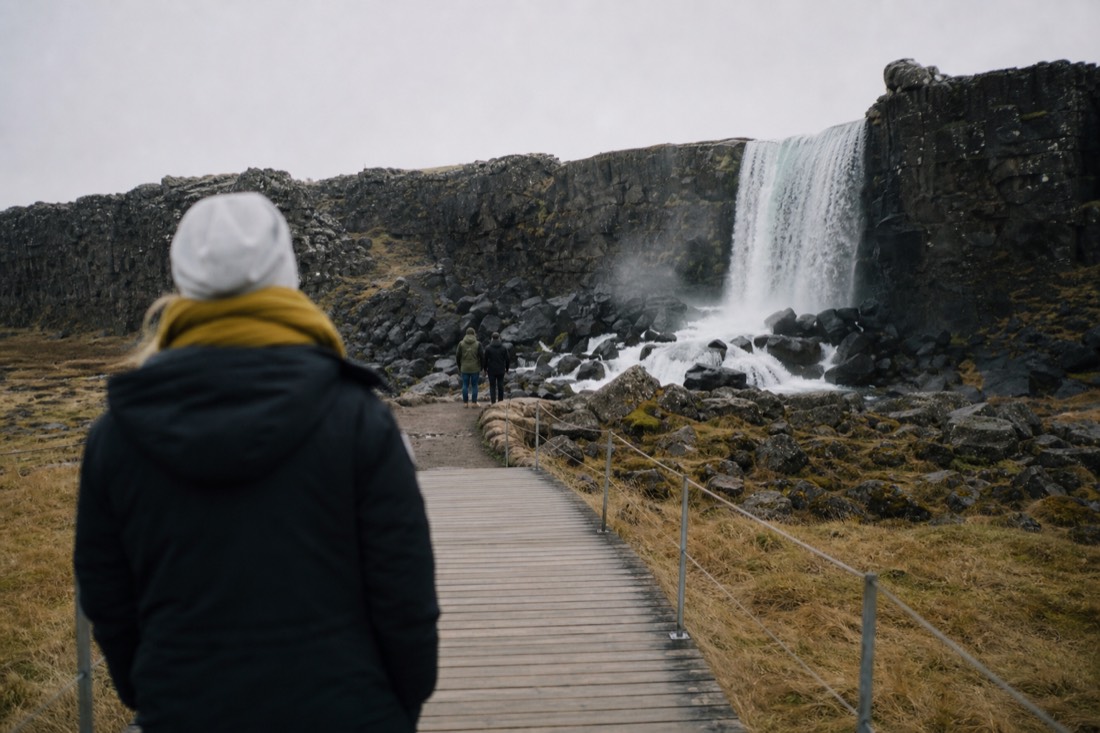
Þingvellir is the strange one, and the one people underrate before they arrive. You walk down a rift where two tectonic plates are slowly tearing away from each other, and at the bottom of that rift Icelanders founded a parliament in 930. It is a UNESCO World Heritage site, entry is free, and the Öxarárfoss waterfall hides ten minutes up a boardwalk that half the visitors never find.
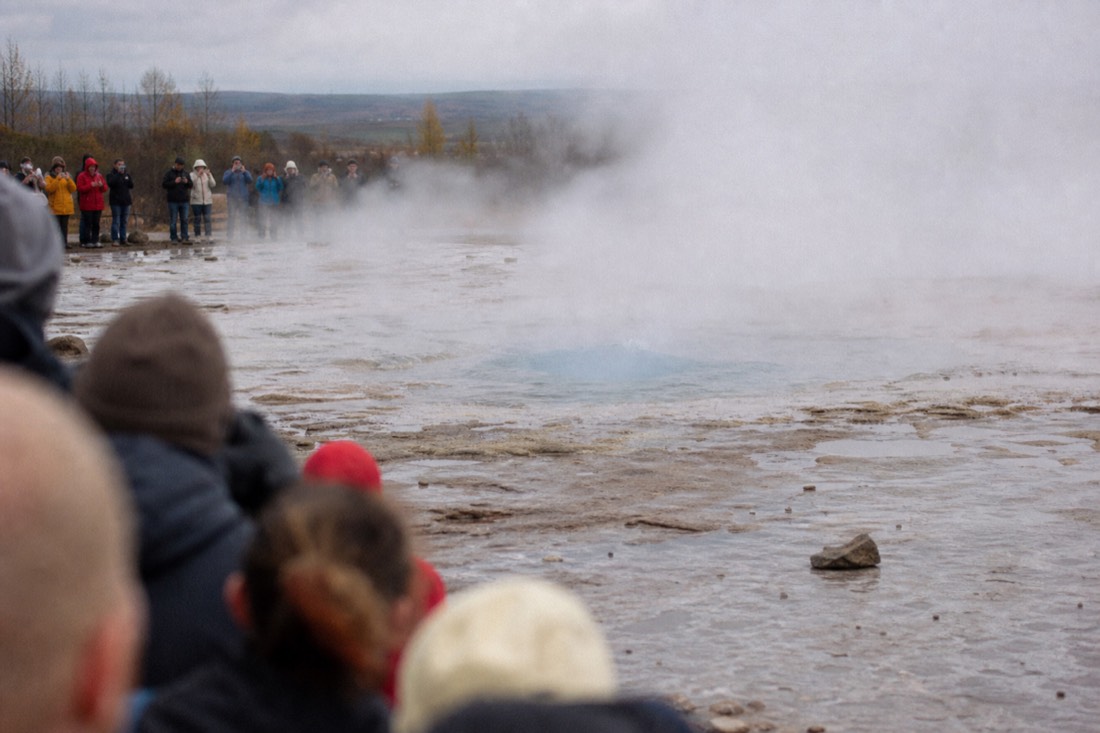
Geysir is the reliable showman. The original Great Geysir mostly sleeps now, but Strokkur, its neighbor, throws a column of water skyward every few minutes, typically on a 5 to 10 minute rhythm. The pools around it run near 80 to 100°C, which is why the roped paths are not a suggestion. Stand upwind. I say that to every group, and someone always learns it the wet way.
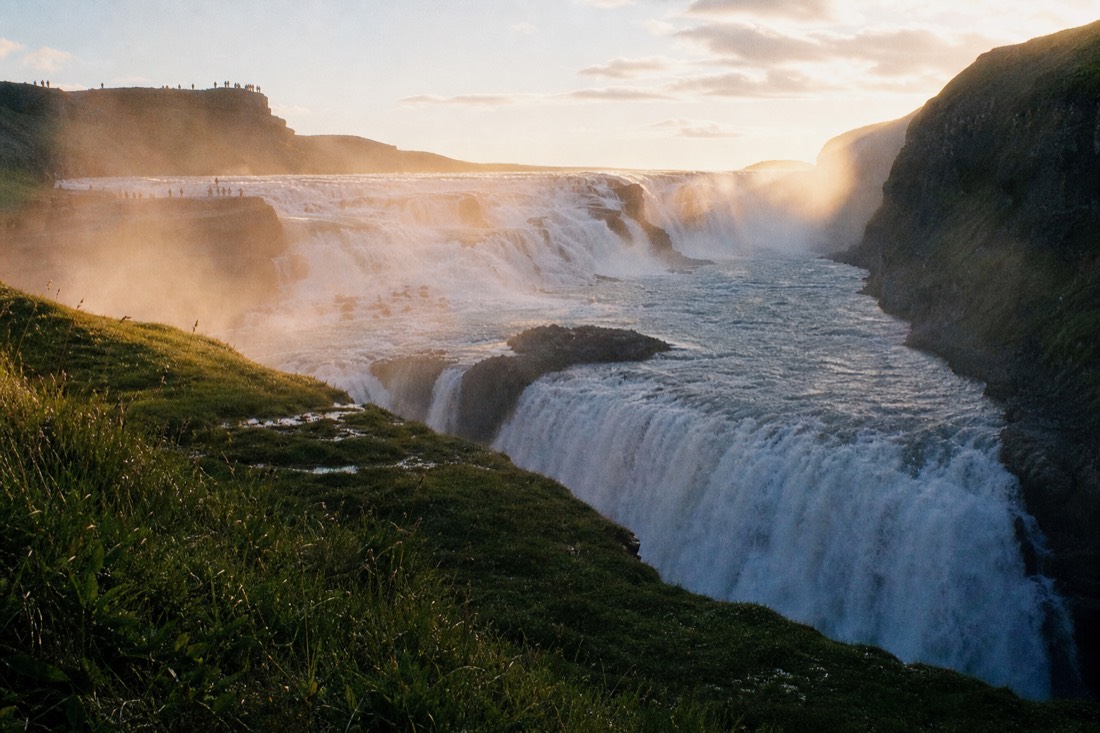
Gullfoss closes the show. The Hvítá river drops 32 meters in two stacked tiers, and on a bright day the spray hangs a rainbow over the gorge. The lower viewing path closes when winter ice takes over, but the upper platforms stay open year round. String the three together and you get the classic loop, about 300 km out of Reykjavík and back, which is exactly why it fits inside a single day.
What order do the stops come in from Reykjavík?
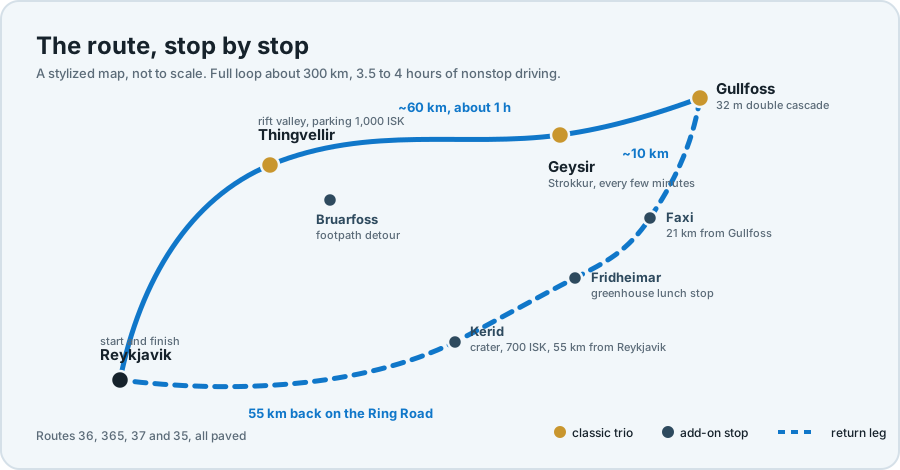
From Reykjavík you drive Route 36 to Þingvellir first, then Routes 365 and 37 for roughly 60 km to Geysir, then 10 km up Route 35 to Gullfoss. The return runs back down Route 35 past Faxi, Friðheimar and Kerið, then the Ring Road home. Most tours keep this exact order.
The order matters more than people expect, because the loop has a natural rhythm: culture first, eruptions mid-morning, the big waterfall before or after lunch, detours on the way home. Here is the sequence as I drive it.
| Order | Stop | You arrive via | The leg |
|---|---|---|---|
| 1 | Þingvellir | Route 36 out of Reykjavík | Opening leg of a ~300 km loop |
| 2 | Geysir | Routes 365 and 37 past Laugarvatn | ~60 km, about 1 hour |
| 3 | Gullfoss | Route 35 | ~10 km, a few minutes |
| 4 | Faxi, Friðheimar, Kerið | Route 35 heading south | Faxi sits 21 km below Gullfoss |
| 5 | Reykjavík | Ring Road, Route 1 | 55 km from Kerið |
Laugarvatn, the small lake town 31.7 km beyond Þingvellir, is the halfway marker on that long second leg and a decent coffee stop. Everything is paved, numbered and signposted, so the driving itself is easy in summer. Timing is the real puzzle: how long you give each stop decides whether the day feels generous or rushed, and I break that math down in how long the route actually takes.
Which add-on stops deserve a detour: Kerið, Friðheimar, Brúarfoss, Faxi?
Kerið earns its 700 ISK for nearly everyone: it sits right beside Route 35 and takes half an hour. Friðheimar is the best lunch on the route. Brúarfoss rewards people with spare time and decent footwear. Faxi is a ten-minute pull-over that most drivers skip, unfairly.
| Add-on | Where it sits | Entry | Time you need |
|---|---|---|---|
| Kerið crater | Beside Route 35, 55 km from Reykjavík | 700 ISK | 30 to 45 min |
| Friðheimar | Just off Route 35 in Reykholt | Free to enter, food at your own cost | About 1 hour |
| Brúarfoss | Short detour between Laugarvatn and Geysir | Free | Depends on the walk |
| Faxi | 21 km down Route 35 from Gullfoss | Free to view | 10 to 15 min |
| Blue Lagoon | Reykjanes, the far side of Reykjavík | From $95, pre-booked | About 2 hours |
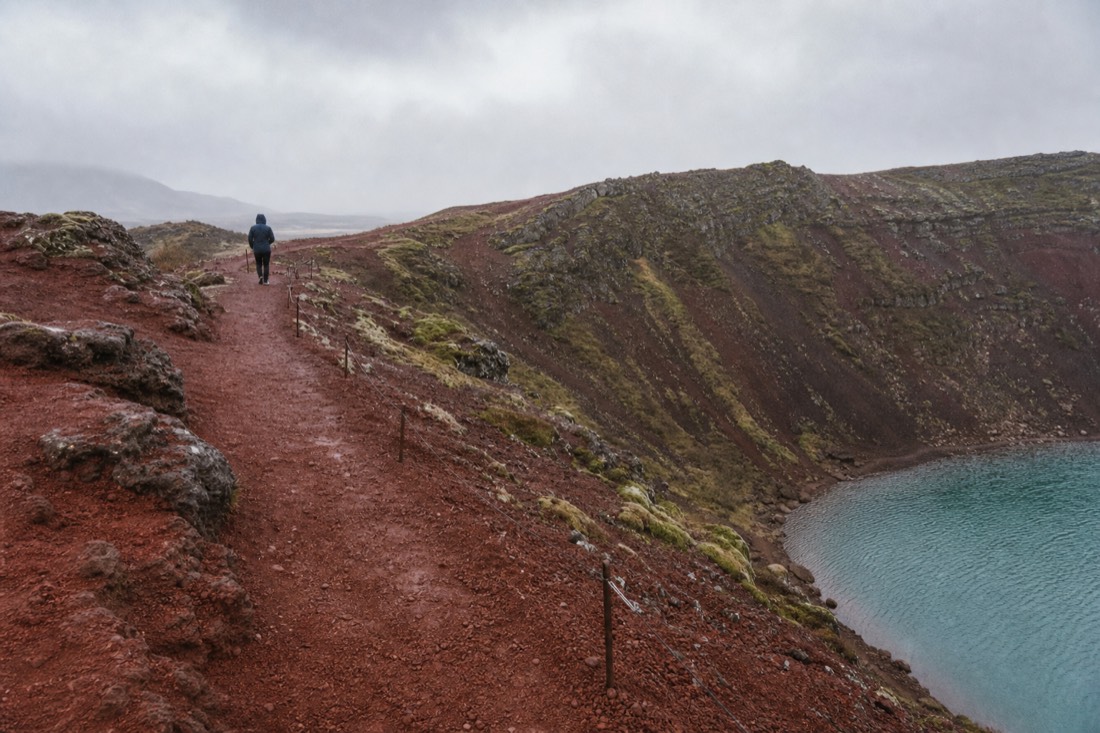
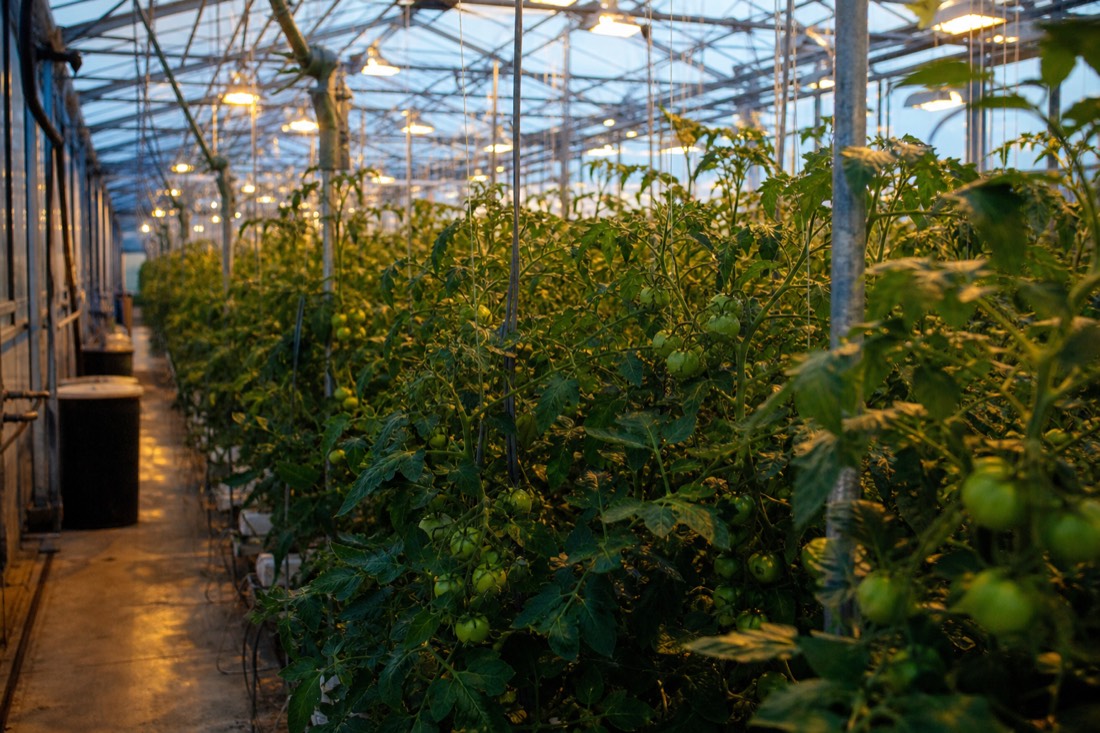
Kerið is a 3,000-year-old volcanic crater with red slopes and an aquamarine lake at the bottom, and because it sits directly on the route home it costs you almost no driving. Friðheimar grows tomatoes in glowing greenhouses and serves a famous tomato soup with fresh bread; I compare it against the other detours in the add-ons, compared honestly. Brúarfoss is the unreal blue one from the photos, reached on foot rather than from a big car park, so it suits self-drivers with slack in the schedule. Faxi is simply a wide, calm cascade where you often stand alone while Gullfoss absorbs the buses.
The Blue Lagoon is the odd one out geographically, sitting on the Reykjanes peninsula in the opposite direction, which is why combining it with the loop on your own makes for a long day of driving. If you want the combination handled, book the Small-Group Blue Lagoon combo and check live availability and prices on Viator: it folds Kerið and a two-hour lagoon visit, ticket included, into the classic loop with a group capped at 19.
What does each stop cost on the ground?
Budget lightly: the classic trio charges no entry. Þingvellir asks 1,000 ISK to park a car, Kerið charges a 700 ISK service fee, and the Blue Lagoon starts at $95 with pre-booking required. Beyond that, your money mostly goes on food at Friðheimar or the Geysir center.
| Stop | What you pay on the ground |
|---|---|
| Þingvellir | Entry free; parking 1,000 ISK per car |
| Geysir area | Free to walk the geothermal field |
| Gullfoss | Free |
| Kerið | 700 ISK service fee |
| Friðheimar | No entry fee; meals and drinks at your own cost |
| Blue Lagoon | From $95, book before you arrive |
A few practical notes from someone who watches travelers meet these fees every week. The Þingvellir charge is 1,000 ISK per passenger car, paid through the park's parking service, and rangers do check plates, so pay before you wander off into the rift. The Kerið fee is collected at the gate; the landowners maintain the rim path with it, and the crater is the only major stop on the loop that charges for entry at all.
The Blue Lagoon requires pre-booking and sells out on good-weather days, so an on-a-whim visit often fails at the door. Everything else is genuinely free: Strokkur does not take tickets, and Gullfoss has never charged to watch the river fall. Bring a card rather than cash. Iceland runs on contactless everywhere, including the parking machines, and the only place I ever see cash change hands on this route is a farm honesty box.
What is the most popular stop?
Geysir holds people longest. The operators' schedules show it: the small-group combo gives the geothermal field 1 hour 20 minutes against 40 minutes at Gullfoss and 45 at Þingvellir. Gullfoss gets the loudest reaction, but the crowd waiting with phones raised for one more eruption belongs to Strokkur.
Dwell time is the honest measure of popularity, so look at how the three big commercial itineraries divide their day between the trio:
| Stop | Classic coach, 6.5 h | Blue Lagoon combo, 11 h | Tomato farm and Kerið, 9 h |
|---|---|---|---|
| Þingvellir | 30 min | 45 min | 45 min, plus 15 at Öxarárfoss |
| Geysir | About 1 hour | 1 h 20 min | 45 min |
| Gullfoss | 40 min | 40 min | 45 min |
Geysir wins that vote on two of three schedules, and my eyes agree. Strokkur is a slot machine: every eruption resets the crowd, and nobody walks away after a small one, because the next blast might be the tall column they came for. Gullfoss delivers a single overwhelming image instead. People gasp, walk the upper platform, take the photo, and are back at the car in half an hour, sooner in winter when ice closes the lower path.
Þingvellir is the quiet grower. It gets the shortest average stop yet it is the place travelers most often tell me they wished they had longer, usually because they only discovered Öxarárfoss as the group was leaving. If you control your own schedule, steal time from Gullfoss and give it to the rift.
Where can you download or view the route map?
Use the interactive map below: it centers on Geysir, roughly the loop's midpoint, and one zoom out shows every stop between Reykjavík and Gullfoss. For a printable overview, the stylized route map higher up this page carries the key distances. The whole loop follows paved Routes 36, 365, 37 and 35.
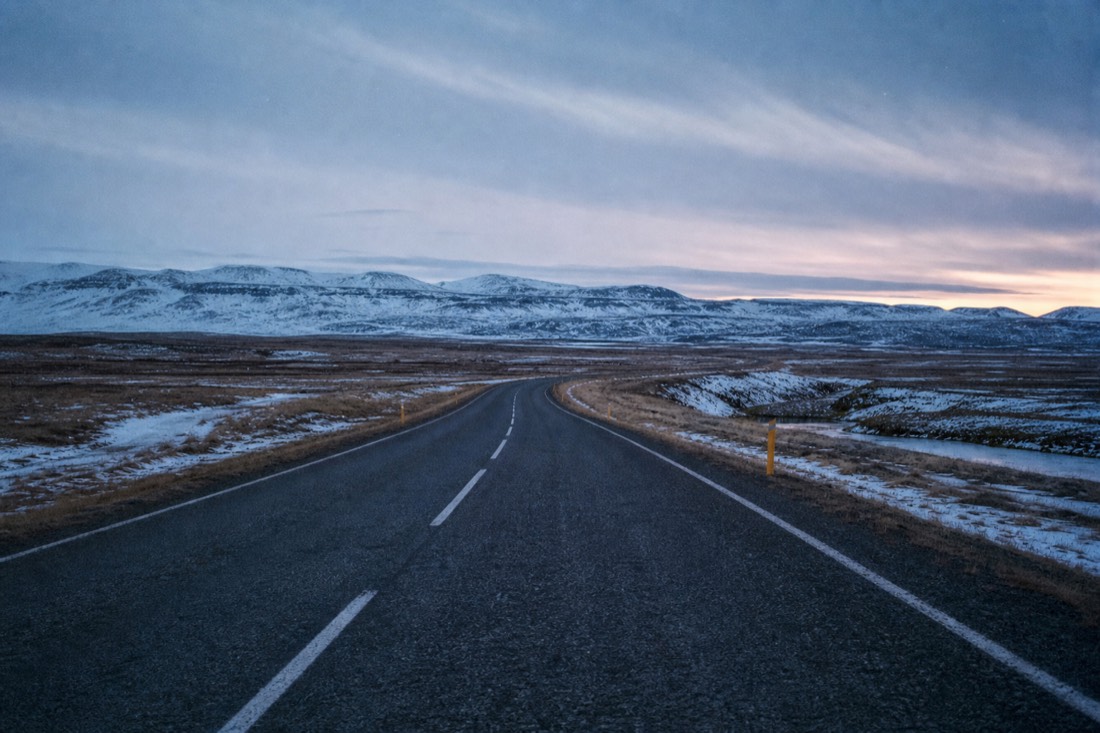
Two habits make the map genuinely useful. First, save the area offline in your maps app before leaving Reykjavík; rural Iceland is better connected than people fear, but you do not want a routing app rebuilding itself while you sit at the Route 365 junction. Second, search stops by their Icelandic names, Þingvellir, Geysir, Gullfoss, Kerið, since English nicknames sometimes land you at a gift shop instead of a car park.
If you are weighing whether to drive this yourself or hand the wheel to someone else, the map is half the answer: the roads are easy, the winter conditions and the timing are not, and I walk through that decision in tour or self-drive on this route.
How long should you linger at each stop?
Give the classic trio real room: 45 to 75 minutes at Þingvellir, 30 to 45 at Geysir, 40 to 60 at Gullfoss. Add 15 to 20 minutes each way for Öxarárfoss, half an hour for Kerið, and a full hour if you eat at Friðheimar. Under those numbers, you are collecting photos, not seeing places.
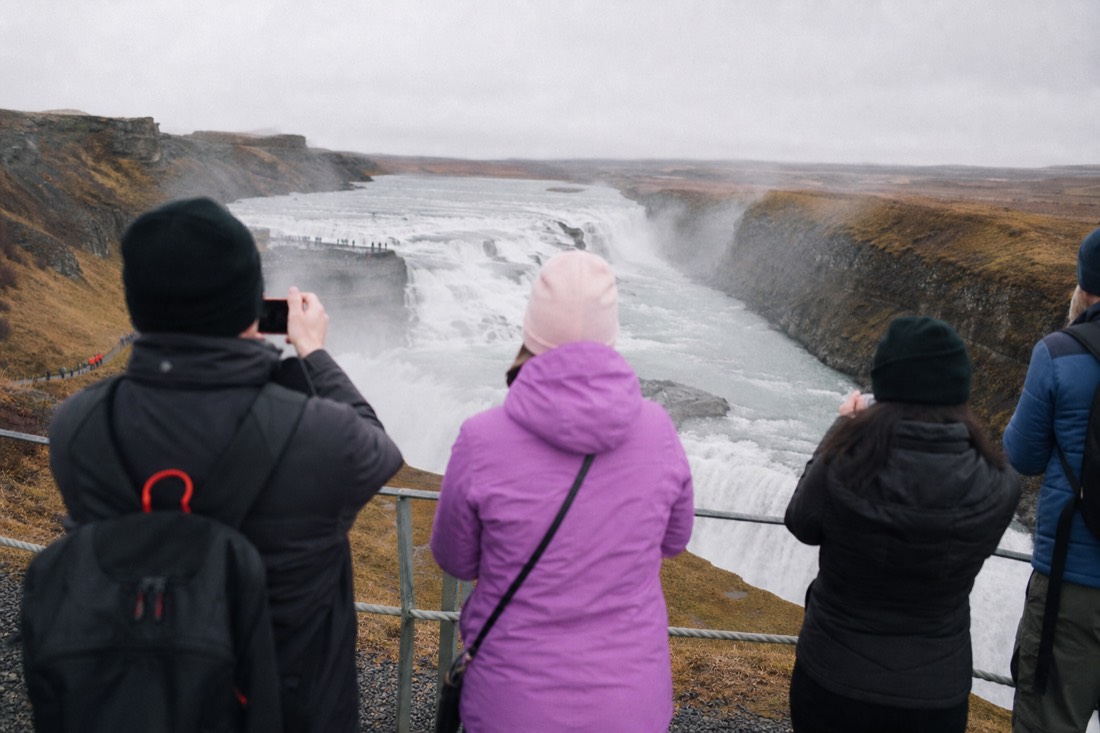
The mistake I watch most often is even splitting. People give each stop the same twenty minutes, then wonder why the day felt thin. The stops are not equal, and their clocks run differently. Strokkur works on a rhythm, so your time there is set by eruptions, not by the walk. Þingvellir works on distance, because the rift is long and Öxarárfoss hides at the far end of a boardwalk. Gullfoss is a single view you absorb, then linger over.
| Stop | Recommended dwell | What fills the time |
|---|---|---|
| Þingvellir | 45 to 75 min | The Almannagjá rift walk, the old parliament site, the viewpoint above |
| Öxarárfoss | 15 to 20 min each way | A 0.6 km boardwalk off the main path to a 13 m fall |
| Geysir | 30 to 45 min | Two or three Strokkur blasts on its 5 to 10 minute cycle |
| Gullfoss | 40 to 60 min | The upper platform, the lower path in summer, the two-tier view |
| Kerið | 30 to 45 min | The rim loop above the crater, the steps down to the lake |
| Friðheimar | About 1 hour | The greenhouse lunch and tomato soup, best pre-booked |
Read those as floors, not ceilings. Þingvellir absorbs a slow hour easily if you walk the whole rift and detour to Öxarárfoss, which needs its own 15 to 20 minutes on foot each way from the car park. Geysir sets its own pace: two eruptions is the honest minimum, since a single small one always leaves you waiting for the tall column. At Gullfoss, forty minutes covers the standard visit, and the extra twenty buys you the walk down toward the lower gorge on days the summer path is open.
The two that trip people up are Kerið and Friðheimar. Kerið is quick, a half-hour rim loop, but people who climb down to the water burn closer to forty-five. Friðheimar is not a photo stop, it is a meal, so block a real hour and reserve ahead in high season. If your whole day is tight, the math in how long the route actually takes shows which of these you can trim without gutting the trip.
Which lesser-known stops are worth the detour?
Four detours reward the curious. Brúarfoss offers vivid blue water, with short access from paid parking or a longer riverside hike. Faxi is a 7 m drop up to 90 m wide that most buses skip. Efstidalur serves farm ice cream beside its cow barn, and Laugarvatn gives you a lake town to breathe in halfway round.
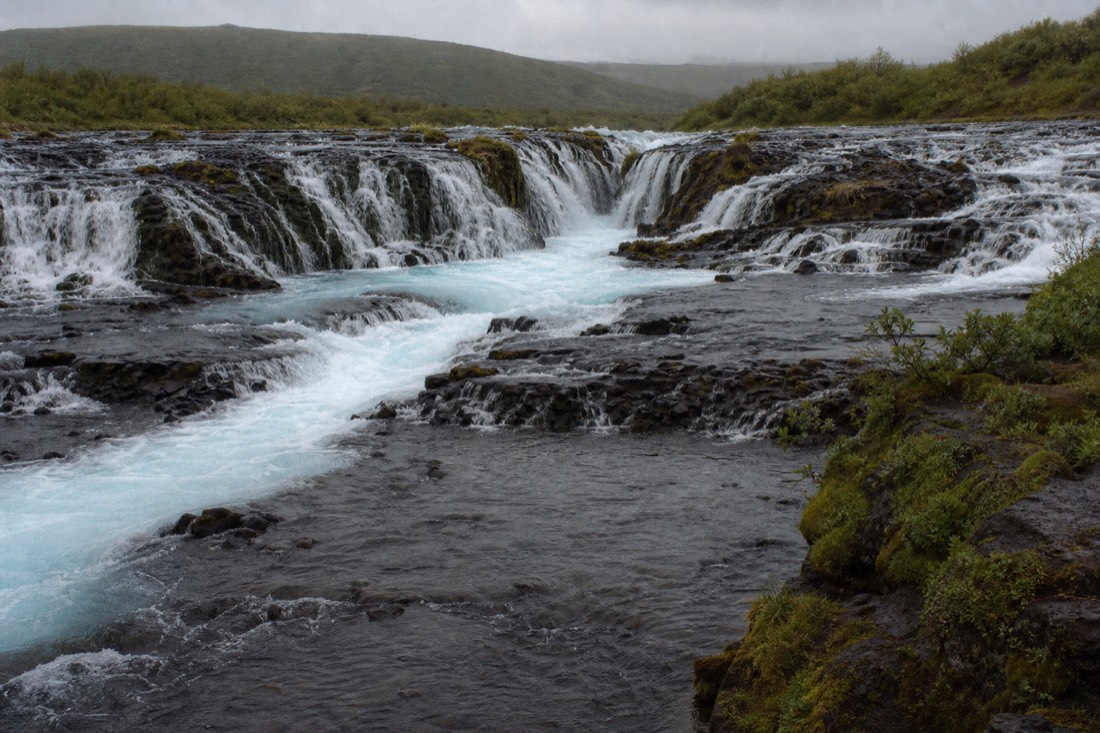
The famous three carry the crowds, which is exactly why the quieter stops feel like a different country. None of them cost much, and two cost nothing at all. What they ask for is a little slack in your schedule and a willingness to leave the bus lane.
| Stop | Where it hides | Extra time (rule of thumb) | The payoff |
|---|---|---|---|
| Brúarfoss | Signed car park between Laugarvatn and Geysir | Short walk from paid parking; longer riverside trail also possible | The electric-blue cascade from the photos |
| Faxi (Faxafoss) | Right off Route 35, 21 km below Gullfoss | 10 to 15 min | A 7 m drop up to 90 m wide, usually near-empty |
| Efstidalur | Farm beside Route 37 near Laugarvatn | 20 to 30 min | Farm ice cream and a working cow barn you can watch |
| Laugarvatn | Lake town 31.7 km past Þingvellir | 20 to 30 min | Coffee, a shoreline, geothermal bathing at the water's edge |
Brúarfoss has a newer paid parking area close to the falls, distinct from the trailhead for the longer riverside hike. Self-drivers can choose either approach; some minibus itineraries explicitly include the waterfall. The reward is real: the water runs a blue that looks edited and is not.
Faxi barely counts as a detour, since it sits a few steps off Route 35 with its own parking, and you often have all 90 meters of it to yourself while the buses pour into Gullfoss up the road. Efstidalur is the sweet stop, a dairy farm where the ice cream comes from the cows you can see through the glass, and the salted caramel earns the reputation guides give it. Laugarvatn is less an attraction than a pause: a lake, a few cafes, and warm water on the shore to soak tired legs. The prettiest of these get a fuller rundown in the route's best waterfalls, and I weigh the food stops against each other in the add-ons, compared honestly.
The stops Björn tells people to cut when time is short
When the clock is against you, cut inward from the edges. I tell people to drop Brúarfoss first, then Friðheimar if they are not eating, then the Blue Lagoon, since it sits the wrong way out on Reykjanes. Protect Þingvellir and Öxarárfoss instead. Those are the memories people come back describing.
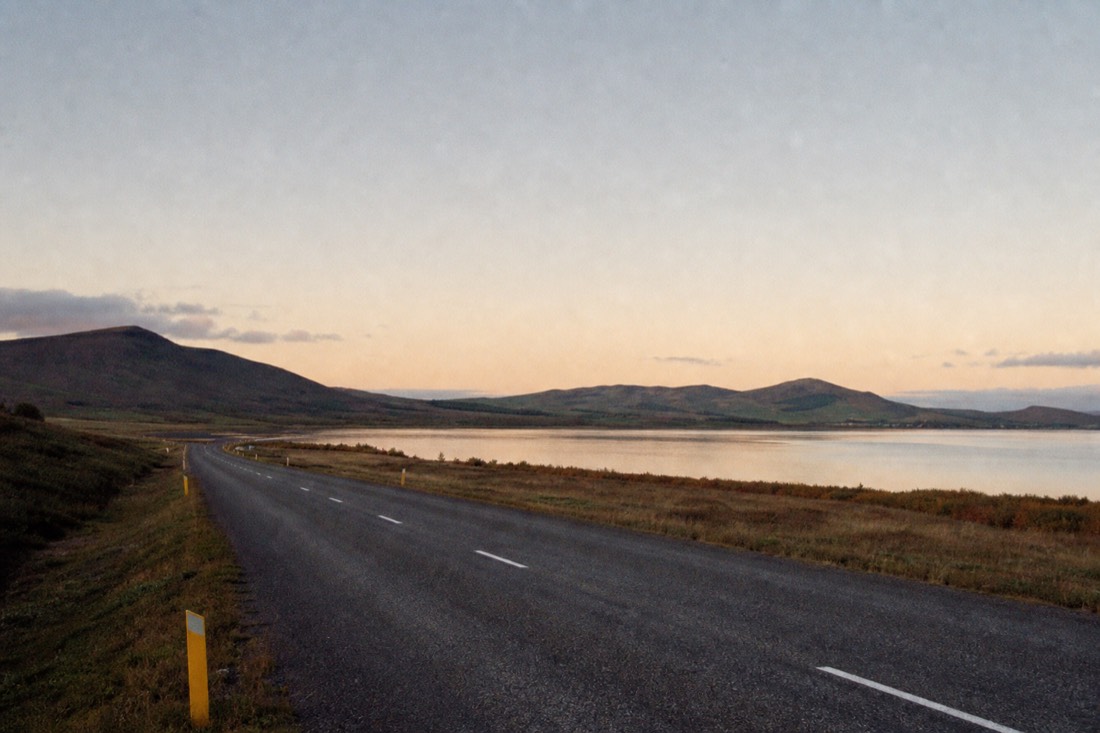
I have driven this loop for a living since 2022, and by now I can read a car park at a glance and tell you which groups are about to run out of daylight. The pattern is always the same. People try to keep everything, arrive at Gullfoss frazzled at five, and skip the one stop they would have loved. Cutting early, on purpose, is how you save the day. Here is the order I cut in.
| Stop | Cut it when | What you give up | Spend the time on |
|---|---|---|---|
| Brúarfoss | The schedule is tight or the trail is muddy | The longer riverside hike; short access is a separate option | A slower, fuller Þingvellir |
| Friðheimar | Nobody in the car wants a paid sit-down lunch | The greenhouse and the tomato soup | Food you carry, eaten near Gullfoss |
| Blue Lagoon | You are looping in one day with no booking | A 2 hour soak far off route on Reykjanes | Getting home ahead of the evening traffic |
| Öxarárfoss | Hard winter ice makes the boardwalk grim | A 13 m fall and a 30 to 40 minute round walk | More eruptions at Strokkur |
| Kerið | You have already seen a crater lake elsewhere | A 30 minute rim loop and the 700 ISK fee | An earlier, calmer Gullfoss |
Brúarfoss goes first because it costs the most time for the least certainty, an hour and a half of walking that a coach schedule cannot spare. Friðheimar is next only if nobody wants the meal, since it is a booked, paid lunch rather than a quick look, and a packed sandwich at Gullfoss loses you nothing but the soup. The Blue Lagoon is the honest amputation on a self-drive day: it sits on Reykjanes in the opposite direction, and folding it in yourself turns a full day into a very long one. If soaking is the point, let the combo tour carry that leg for you.
The two I fight to keep are Þingvellir and its hidden waterfall. Travelers rush the rift because it comes first and they are fresh for the geysers, then tell me at the end it was the part they wished they had slowed down for. Winter tightens all of this, because the light is short and the lower Gullfoss path shuts, so I plan those days differently in what winter changes on the loop. Cut from the edges, hold the middle, and the short day still feels like the real thing.
Quick questions travelers keep asking
Can you drive the loop in reverse?
Yes, and it is my favorite crowd trick for self-drivers. Take Route 35 to Kerið and Gullfoss first, then finish at Þingvellir in the evening light. Nearly every scheduled bus runs the classic clockwise order, so reversing it means you meet the wave instead of riding inside it.
Do the tours cover the add-on stops too?
Depends on the itinerary. The classic coach sticks to the trio. The small-group combo adds Kerið and ends with two hours at the Blue Lagoon, admission included. The nine-hour small-group day adds Friðheimar, Kerið and Öxarárfoss. Brúarfoss and Faxi stay mostly self-drive territory.
How much total time do the stops need?
Plan a full day. Nonstop driving alone is 3.5 to 4 hours, and the organized trips run from 6.5 to 11 hours depending on how many stops they fold in. Self-drivers who want the trio plus two add-ons should leave Reykjavík by 9 and expect to return for a late dinner.
Check your date before arranging the rest of your trip
General recommendation — confirm your party, pickup and requirements on the booking page.
Brúarfoss + Golden Circle minibus
Brúarfoss and Gullfoss with a minibus group, plus Kerið admission.
8 hours · English · The current booking age bands accept ages 13+. Pickup excludes Keflavík and the countryside.
Scheduled dates from Viator. Availability and final price are confirmed on Viator.
Affiliate links: we may earn a commission at no extra cost to you. Product details checked 16 September 2026.