How to Read a Tour Listing Before You Book in Iceland
What the badges, ratings, inclusions, and cancellation windows on Viator and GetYourGuide really mean, decoded on three real Golden Circle day tour listings.
 By Björn Einarsson, Iceland Golden Circle tour guide and local specialist
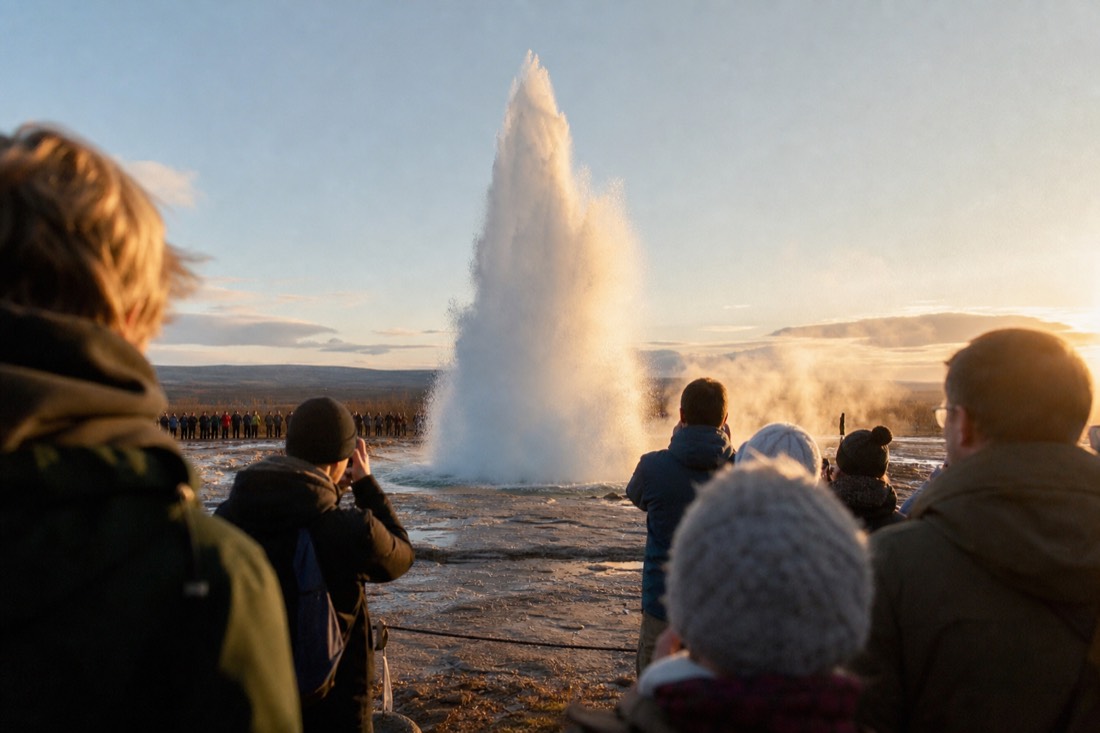
Strokkur went up twice and the couple beside me never saw it. They stood at the rope at Geysir, heads down, swiping between the same day tour on two different booking apps, convinced one of them had to be a trick. I meet that scene most weeks on the route. I guide here for a living, and I read tour listings the way a mechanic listens to an engine, so here is the version I never have time to say over the hiss of the vents: how to read a Viator or GetYourGuide page before you pay, using the three real listings from this site as worked examples.
Booking choice: Compare exact itineraries, dates, pickup choices and cancellation terms. Current booking forms are more useful than a badge or an old headline price. Explore Classic Golden Circle
What is the best site to book Iceland tours?
There is no secret best site. Viator and GetYourGuide are shop windows for the same local operators, often for the same seats on the same bus. What actually differs is the interface, how prices display, the cancellation default, and the commission the operator pays. Judge the listing, not the logo.
Start with what a platform actually is. Nicetravel, Gray Line Iceland, and EastWest run the buses behind our three example listings. Viator and GetYourGuide sell their seats and take a cut, and as of 2026 that cut runs about 20 percent on Viator and 25 to 30 percent on GetYourGuide. The operator absorbs most of it, which is why the same tour usually shows a near-identical price wherever you find it.
So the honest answer to "which site" is: whichever listing tells you more. Here is how the two compare on the points that bite.
| Viator | GetYourGuide | |
|---|---|---|
| Who actually runs the tour | The operator (Nicetravel, Gray Line...) | The operator (EastWest...) |
| Standard operator commission, 2026 | About 20% | About 25 to 30% |
| Price before checkout | Often only inside the booking flow | Usually printed on the listing |
| Golden Circle cancellation norm | Free to 24 h before start | Free to 24 h before start |
| Demand flags | "Booked 5+ times today" style | "Likely to sell out" style |
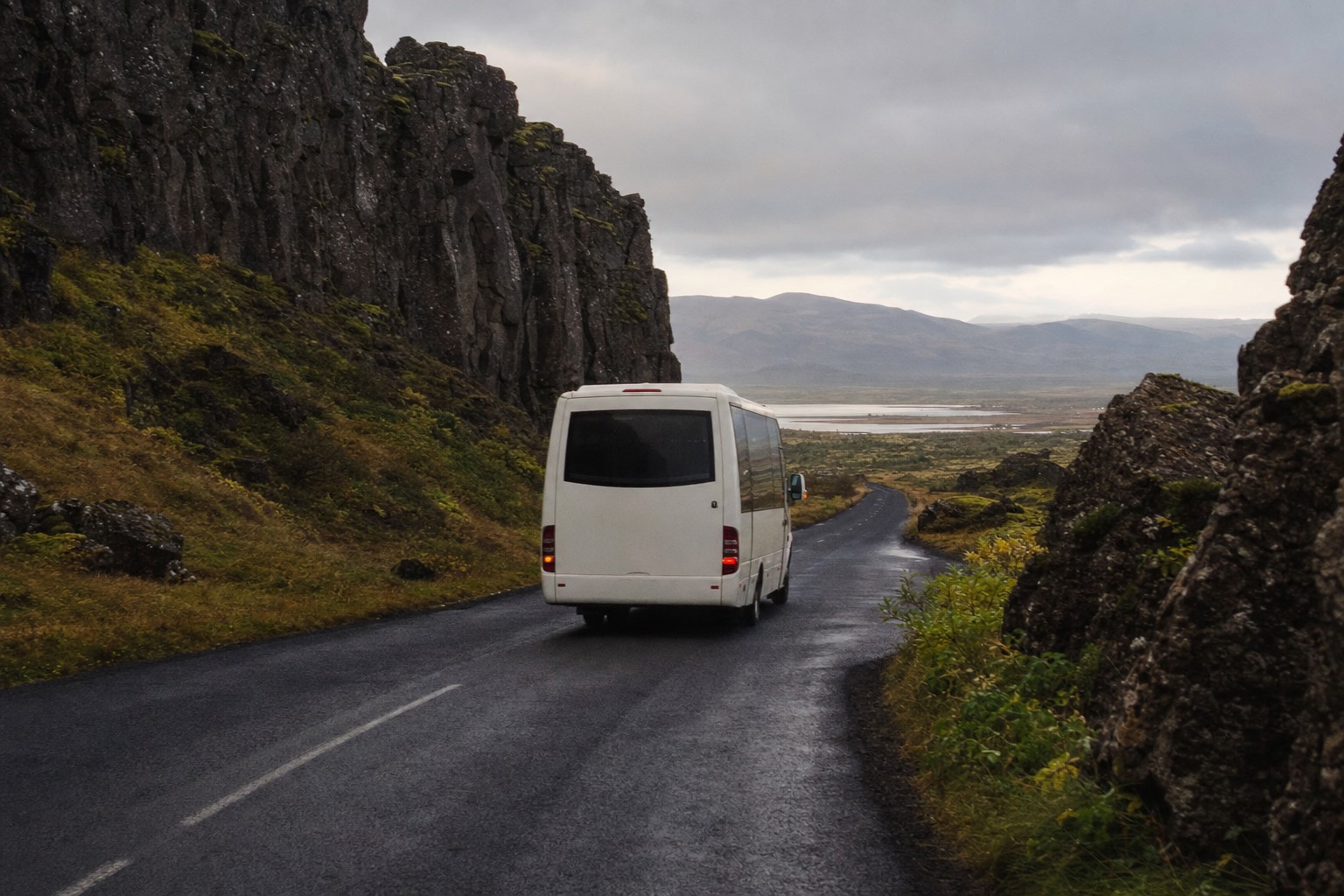
Same operators, same rope lines at Þingvellir. The differences sit in the policy lines further down the page, and the rest of this post walks through them.
What do the badges and ratings actually mean?
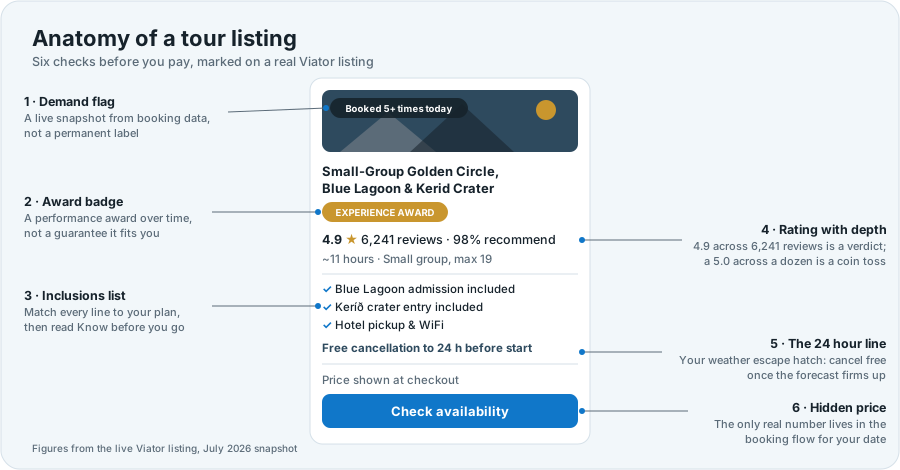
A badge is the platform's pat on the back, not an inspection. Read every rating with its denominator: 4.9 across 6,241 reviews is a verdict, while a 5.0 across a dozen is a coin toss. Demand flags like "Booked 5+ times today" are live snapshots pulled from booking data.
Here are the three listings this site features, exactly as they read in the July 2026 snapshot:
| Listing | Rating | Reviews | Platform badge | Demand flag shown |
|---|---|---|---|---|
| Small-Group Blue Lagoon combo (Nicetravel, Viator) | 4.9 | 6,241 | Viator Experience Award | "Booked 5+ times today" |
| Classic day trip (Gray Line, Viator) | 4.5 | 5,543 | Badge of Excellence | "Top 1% booked in Reykjavik, last 48 h" |
| Tomato farm and Kerið (EastWest, GetYourGuide) | 4.9 | 215 | Top rated | "Likely to sell out" |
Badges first. The Experience Award, the Badge of Excellence, and GetYourGuide's Top rated tag are performance awards: a listing earns them by holding high ratings and low complaint rates over time. Useful as a floor. They say nothing about whether the tour fits you.
Ratings carry more meaning once you weigh the volume. The combo's 4.9 with 98 percent of travelers recommending it is hard to argue with at 6,241 reviews. Gray Line's 4.5 has a boring explanation: it is a coach carrying up to 100 people, and high-volume products drift lower because some share of guests will always mind the crowd. The EastWest tour scores 4.9 from just 215 reviews, so I file it as promising rather than proven, then read the ten newest reviews to hear what this month's travelers said.
Demand flags are the third layer, and they are timestamps, not tattoos. The platforms generate them from live bookings, so quote them to yourself with a date attached and let them inform timing, not quality.
What should you check in the inclusions list?
Match every line of the inclusions list against your own plan, then read "Know before you go" to catch contradictions. Admissions are the money items: Blue Lagoon entry alone starts at $95 and Kerið costs 700 ISK. One of our three example listings even contradicts itself about food.

Admissions decide the real cost of a day out here. Blue Lagoon entry starts at $95 and must be pre-booked, Kerið charges 700 ISK at the crater rim, while Þingvellir itself is free with 1,000 ISK parking per car. So "admission included" is worth real money on some lines and pennies on others:
| What to check | Blue Lagoon combo | Classic day trip | Tomato farm and Kerið |
|---|---|---|---|
| Duration and group cap | ~11 h, max 19 | ~6.5 h, up to 100 | 9 h, small group |
| Blue Lagoon admission | Included (Comfort or Premium) | Not visited | Not visited |
| Kerið admission | Included | Not visited | Included |
| Hotel pickup | Included | Optional add-on | Included, 21 points |
| Food and drink | Not included | Not included | Contradictory, see below |
That last cell is the teachable one. The EastWest listing's inclusions list shows "Food and drinks", yet its own Know-before-you-go section says meals and drinks are not included. Both sentences sit on the same page. When a listing argues with itself, trust the restrictive line and budget accordingly: at Friðheimar, the tomato farm lunch stop, you pay for your own soup. The habit generalizes: read the fine print as carefully as the bullets, because the bullets are marketing and the fine print is the contract. I compared what each add-on really buys you in a separate piece on the add-on combos.
For contrast, the tidiest inclusions list of the three belongs to the small-group combo: admission tier named, pickup zone named, stop times listed. If you want the day that needs no extra wallet, book the Small-Group Blue Lagoon combo and check live availability and prices on Viator for your date.
How do cancellation windows differ, and why does 24 hours matter here?
On paper the platforms match: all three example listings refund in full if you cancel at least 24 hours before start. The differences hide below the window, in what happens after it closes. And in Iceland, 24 hours is roughly the point where the weather forecast becomes worth believing.
| Listing | Free cancellation until | Inside the window |
|---|---|---|
| Blue Lagoon combo (Viator) | 24 h before start | No refund |
| Classic day trip (Viator) | 24 h before start | No refund |
| Tomato farm and Kerið (GetYourGuide) | 24 h before departure | No refund, but operator weather cancellations are refunded |
That last clause is the kind of line people skip. When the operator cancels for weather, you get your money back. In a country where the operator sometimes should cancel, look for that clause on any listing you consider.
The 24 hour figure suits Iceland because our forecasts firm up on about that horizon. The evening before your tour, open vedur.is, the Icelandic Met Office, and look at wind first, not rain. Rain here is a mood. Wind is a decision. If the map shows a proper storm rolling in, you can still cancel free, rebook a different day, and lose nothing but a little planning. My practical routine: set a phone reminder 26 hours before departure, check the forecast, then decide with two clear hours in hand. The window only protects people who remember it exists.
Why do some listings hide the price until checkout?
Usually it is date and currency pricing, not trickery. Viator often reveals the exact figure only inside the booking flow, once your date, group size, and currency are known. GetYourGuide tends to print a from price on the page. Never trust a number a search engine quotes you.

Both of our Viator examples behave this way: the listing describes the day in full, then holds the number until you pick a date. It feels evasive the first time, but the logic is mundane. Prices move by season and departure, currencies float, and promotional rates differ by market, so the flow shows the one figure that is actually true for you. The GetYourGuide listing takes the other approach and prints "from $147" right on the page, with the caveat that "from" means the cheapest departure, not necessarily yours.
The trap is what grows in that information gap. Search engines, AI answer boxes, and deal aggregators cache old or region-specific figures and serve them as current. I have met guests convinced they overpaid because a search snippet quoted a number the listing never offered them. The rule is short: the only price that exists is the one in the booking flow for your date. Everything else is an echo.
For a sanity check without a checkout page, a no-frills Golden Circle coach seat books direct from 11,999 ISK with Reykjavík Excursions, so treat that as the floor for the classic loop. Anything carrying Blue Lagoon admission has to sit far above it, since entry alone starts at $95 before the bus and the guide get counted. I put full numbers and worked budgets in the cost guide, including where the cheap seats genuinely are.
How far ahead do these tours sell out?
Neither platform publishes sell-out lead times, so read capacity instead. A 19-seat small-group bus tied to pre-booked Blue Lagoon slots closes out far sooner than a 100-seat coach. In the July 2026 snapshot, our examples carried the flags "Booked 5+ times today" and "Likely to sell out".

Capacity is the arithmetic the platforms will not do for you. The small-group combo seats 19 people per departure, and every one of those seats needs a matching Blue Lagoon entry slot, which the lagoon itself requires to be pre-booked. Two constraints stacked on one bus. That is the listing most likely to be gone when you decide the night before. The EastWest tour is small-group too, with 21 pickup points feeding it, and GetYourGuide already flags it "Likely to sell out". Gray Line's coach, with up to 100 seats and multiple departures, is the forgiving one, and its "Top 1% booked" flag speaks to volume rather than scarcity.
My rule of thumb from watching the parking lots fill: in June through August, and again over the northern-lights weekends of autumn, treat small-group departures as a book-it-this-week decision once your dates are fixed. Shoulder season gives you more slack.
Here is the part that removes the stress entirely. With free cancellation to 24 hours on all three listings, an early booking is a free option, not a commitment. Reserve the seat the day your flights are ticketed, and if plans shift, cancel from your phone with a day in hand and pay nothing. I wrote up the rest of my before-you-go list, the things travelers tell me they wish they had known, in a separate post.
FAQ: quick answers before you book
Is it cheaper to book directly with the operator?
Sometimes, and rarely by much. The commission comes out of the operator's margin, so listed prices usually match across channels. A direct site occasionally undercuts by a few percent, but you trade away the platform's standardized cancellation flow and one place where booking, ticket, and refund all live.
Why does the same operator show different review counts on different sites?
Reviews belong to the listing, not the company. Nicetravel's combo has built 6,241 reviews on its Viator page; listed elsewhere, the same bus would start from zero. Compare depth within one platform, and treat a thin count as young rather than suspect.
Should I believe a "Likely to sell out" flag?
As a snapshot, yes. The flags come from live booking data, but they describe the moment you loaded the page. With free cancellation to 24 hours, the sensible response is to book early and keep the exit door open, not to panic-buy or to dismiss it.
Check your date before arranging the rest of your trip
General recommendation — confirm your party, pickup and requirements on the booking page.
Classic Golden Circle
The three main sights with an English-speaking guide and coach transport.
6½ hours · English · Meals extra. Select BSÍ or an offered pickup point; central hotels often use bus stops.
Scheduled dates from Viator. Availability and final price are confirmed on Viator.
Affiliate links: we may earn a commission at no extra cost to you. Product details checked 16 September 2026.